
FERTILITY DIETS ARE A PROBLEM: HOW RESTRICTIVE EATING HARMS GUT HEALTH AND FERTILITY
Fertility diets and the rise of orthorexia.
Yep, I’m jumping right in with something that needs to be said aloud. I'm talking about the obsessive focus on ‘clean’ eating, the elimination of entire food groups in the name of reducing inflammation, the anxiety-inducing protocols that label foods as toxic or safe, and the constant fear that you're eating yourself into a failed cycle or miscarriage.
This isn't health. This is disordered eating wrapped in the warped language of optimization. And it's heartbreakingly common. It's everywhere — in bestselling fertility books, popular podcasts, Instagram, TikTok, and Facebook groups where women compare notes on increasingly restrictive diets.
Often the people falling into these patterns of eating don't even have overt digestive issues to start with. Maybe a test or a story online leads them to think it might be worth pursuing. Sometimes they do have real GI issues — bloating, constipation, reflux, nausea — but as someone with my own significant gut health struggles (two parents with autoimmune diseases, my own diagnosis of ileitis, gastritis, and IBS-C) I need to tell you something. Your gut health does matter for fertility. But restriction, elimination, and food fear aren’t your path to wellness. They actively harm both your gut AND your fertility.
Orthorexia nervosa is an eating disorder characterized by an obsessive focus on healthy eating. Unlike anorexia (focused on quantity) or bulimia (binging and purging), orthorexia is about food quality and ‘purity.’
Sound familiar? Have you found yourself:
Unable to go to restaurants because nothing is ‘safe’?
Declining invitations because you can't control the food?
Spending hours meal prepping ‘compliant’ foods?
Feeling panic when you eat something ‘off plan’?
Convinced that food is the barrier between you and pregnancy?
This is not health optimization. This is disordered eating.
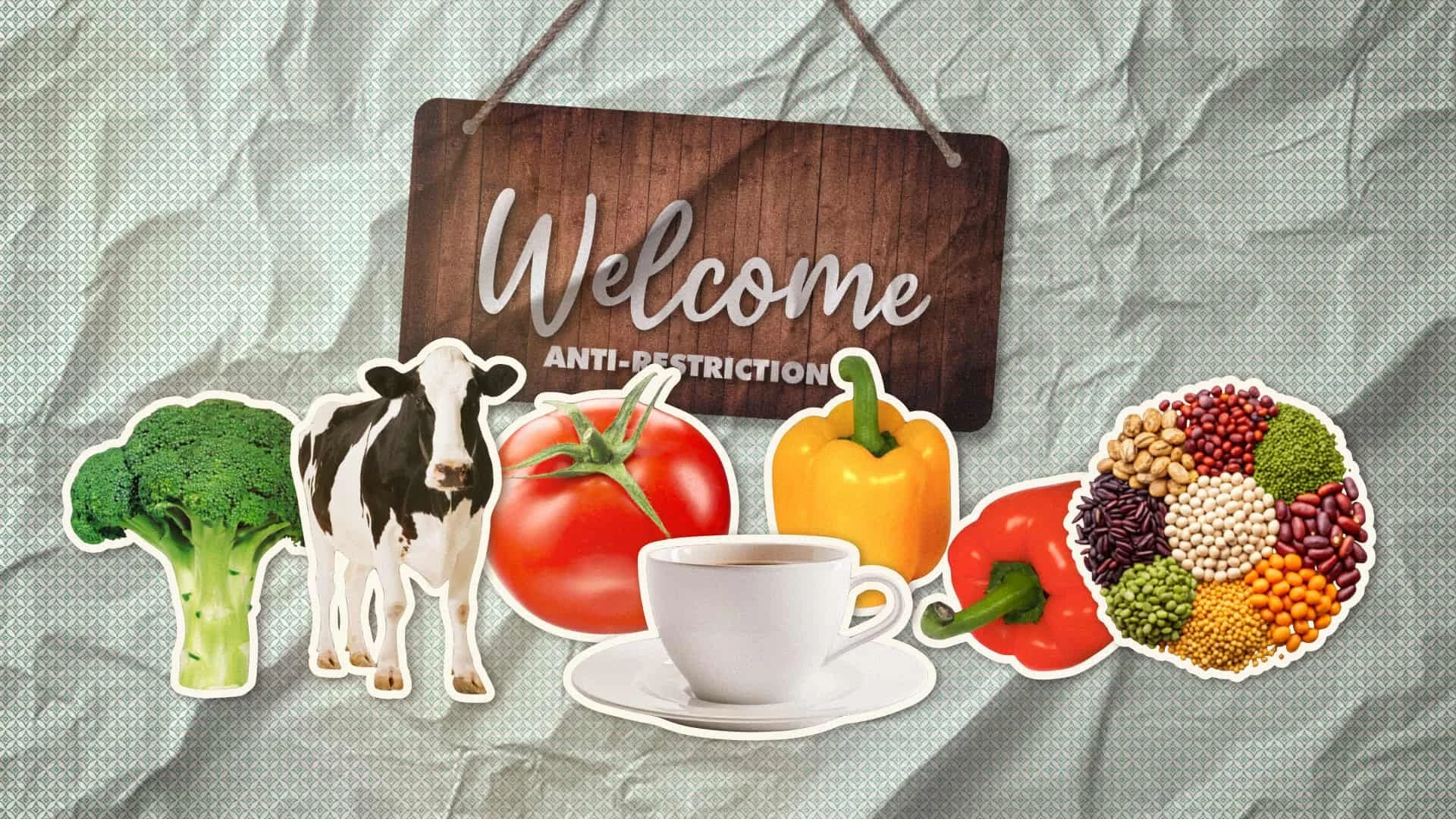
And it's being actively promoted by fertility influencers who promise that if you just eliminate gluten, dairy, sugar, caffeine, nightshades, and a dozen other foods, you'll finally conceive. The cruelty is that this approach often makes both your gut health and your fertility worse.
Why restrictive fertility diets harm gut health.
Reduced Microbiome Diversity
Your gut microbiome thrives on variety. Different bacteria feed on different fibers and compounds in various foods. Research consistently shows that microbiome diversity is associated with better health outcomes — improved immune function, reduced inflammation, better metabolic health, enhanced hormone metabolism.
When you eliminate entire food groups and eat the same limited rotation of ‘safe’ foods, you starve out beneficial bacteria. Your microbiome becomes less diverse, less resilient, less able to support your health.
Increased Stress Response
Food restriction and rigid eating rules activate your stress response. For real. Your body doesn't distinguish between "I can't eat this because it's dangerous" and "I can't eat this because it's not available." All restriction signals scarcity and threat.
And chronic stress directly damages gut barrier function, which increases intestinal permeability, alters gut motility, reduces digestive enzymes, and shifts your microbiome toward dysbiosis — aka, starts affecting your body and gut health and puts it all out of whack.
You cannot restrictively-eat your way to gut health. Even if you're eating all the ‘right’ foods, if it’s from a place of anxiety and fear, you're harming your gut.
Nutritional Deficiencies
Eliminate dairy? You risk calcium and vitamin D deficiency. Eliminate grains and legumes? You reduce B vitamins, iron, and fiber. Eliminate multiple food groups simultaneously? You almost certainly create deficiencies that impair gut function, hormone production, and fertility. Even things like wine, chocolate, and coffee have antioxidants and micronutrients galore! In healthy doses they can be great (yes, even when TTC).
Social Isolation
Remember from my adrenal fatigue post, the ‘tend and befriend’ response is a crucial stress regulation for women. When your food rules prevent you from eating with friends or attending gatherings, or when every social meal becomes anxiety rather than connection, you're trading the known benefits of social bonding for unproven benefits of dietary restriction. Think about my “Tipping your Scales,” idea which I review in this video — what is your NET gain or loss in any given choice!
The Restrict-Binge Cycle
Extreme restriction often leads to binge eating. Not because you lack willpower, but because restriction is physiologically unsustainable. The shame and anxiety that will follow create even more stress, even more gut dysfunction, and even more restriction.
How food restriction disrupts fertility hormones.
Chronic Stress Disrupts Ovulation
Your hypothalamic-pituitary-ovarian axis is exquisitely sensitive to stress. Chronic stress from food anxiety, social isolation, and rigid eating can disrupt GnRH pulsatility, delay or prevent ovulation, shorten luteal phases, and reduce progesterone. Your body doesn't prioritize reproduction when it thinks you're in danger.
Inadequate Nutrition Impairs Reproductive Function
I see women eating exactly 1600 calories of ‘clean’ foods, wondering why their cycles are irregular and they can't conceive. Your body needs enough fuel to reproduce. Under-eating — even those ‘healthy’ foods — can lead to hypothalamic amenorrhea, low progesterone, poor egg quality, implantation failure, and early pregnancy loss.
Inflammation from Stress May Exceed Inflammation from Food
Yes, some foods can be inflammatory for some people. But the inflammation created by chronic stress, anxiety, sleep deprivation, and social isolation often far exceeds any inflammation from eating gluten or dairy. Research shows chronic psychological stress increases inflammatory markers in ways that directly affect fertility outcomes. An ‘anti-inflammatory diet’ that makes you anxious and exhausted may be more inflammatory than just eating the damn bread!
Loss of Trust in Your Body
Orthorexia teaches you that your body cannot be trusted. That your instincts are wrong, and your hunger is suspect. This disconnection is antithetical to the embodied awareness that supports fertility. When you can't trust your body to tell you what to eat, how can you trust it to conceive, grow, and birth a baby?
The Gut-Fertility Connection: What actually matters.
Your gut health does affect fertility. Here's how:
The Estrobolome. Your gut bacteria regulate estrogen metabolism through the estrobolome. Dysbiosis can lead to impaired estrogen metabolism and hormone-related conditions. But you support your estrobolome through diversity and fiber, not elimination and restriction.
Inflammation and Immune Function. About 70% of your immune system is in your gut. Gut dysbiosis contributes to systemic inflammation, autoimmune activation, implantation failure, and recurrent pregnancy loss. But remember: inflammation from chronic stress and restrictive eating often exceeds inflammation from specific foods.
Nutrient Absorption. Your gut absorbs nutrients needed for hormone production, egg quality, endometrial development, and early pregnancy. If your gut isn't functioning well, you can't absorb nutrients effectively — no matter how ‘clean’ your diet is.
The Gut-Brain-Ovary Axis. Your gut communicates with your brain via the vagus nerve. Your brain communicates with your ovaries via the hypothalamic-pituitary-ovarian axis. These systems are intimately connected. Gut dysfunction affects brain function and affects reproductive function.
This is why stress management, nervous system regulation, and gut health are inseparable.
What actually supports gut health for fertility (without restriction).
1. Eat Enough Fiber
Your gut microbiome feeds on fiber. Period. This is well-established science.
What to do:
Aim for 25-35 grams daily from whole food sources
Include both soluble fiber (oats, beans, apples, flax) and insoluble fiber (vegetables, whole grains, nuts, seeds)
Increase gradually to avoid bloating
Drink plenty of water
Sources: All vegetables, fruits (especially berries, pears, apples), whole grains (yes, even gluten-containing ones unless you have celiac), legumes, nuts, seeds, herbs and spices.
The key word is moderate. You don't need 60 grams or to live only on vegetables. Just consistent, adequate amounts from varied sources.
2. Address the Mind-Gut Connection
This one is non-negotiable! It is THE most important factor in gut healing, and it gets the least attention in fertility spaces.
The research is overwhelming:
Chronic stress directly impairs gut barrier function
Stress alters gut microbiome composition
Anxiety decreases digestive enzymes and slows motility
The gut produces 90% of your body's serotonin
Mind-body interventions like acupuncture, somatic therapies, hypnotherapy and mindfulness improve IBS symptoms MORE effectively than medications
What to do:
Daily breathwork (5-10 minutes activates parasympathetic nervous system)
Mindfulness meditation (even 10 minutes affects stress hormones)
Vagus nerve stimulation: humming, singing, gargling, gentle cold exposure, acupuncture
Eat in a relaxed state — sitting down, not scrolling, taking deep breaths before meals
Consider gut-directed hypnotherapy: This is one of the most evidence-based interventions for IBS, with 70-80% success rates. I personally used and loved the NERVA app, which is a 6-week program with solid research behind it. I have a provider discount code if you want it — just reach out!
Try ART or EMDR: If you have childhood neglect, emotionally immature or unavailable parents, or any other trauma history this therapy changes what those trauma experiences do in your nervous system. It helps everything.
TCM perspective: This is Liver qi stagnation (stress) attacking the Spleen (digestion). We've always known emotional stress disrupts digestion. We address this with acupuncture points that simultaneously regulate stress and support digestive function.
The most powerful "supplement" for your gut might be learning to regulate your nervous system.
3. Eat Regular, Balanced Meals
Stop skipping meals, doing intermittent fasting when your body is already stressed, eating the same three foods, or grazing all day without real meals.
What to do:
Eat 2-3 regular meals at roughly consistent times
Include protein (20-30g per meal), healthy fats, and fiber from varied sources
Don't skip breakfast if you tend toward anxiety or low energy
Stop constant snacking - give your gut breaks between meals to clean house and reset
If intermittent fasting makes you anxious, disrupts your cycle, or leaves you exhausted — STOP!
Variety matters: Research shows eating 30+ different plant foods per week supports optimal microbiome diversity. This includes different vegetables, fruits, whole grains, legumes, nuts, seeds, herbs, and spices. Unless you have diagnosed allergies or confirmed intolerances, rotate your foods and include wide variety.
4. Stop Unnecessary Restriction
Another crucial one here. Unless you have celiac disease, diagnosed allergies, or confirmed intolerances, eliminating entire food groups often creates more problems than it solves.
Don't eliminate foods based on:
"I heard it's inflammatory."
IgG food sensitivity tests (these are bogus) and I’ve got a whole video explaining why right here.
Wellness influencer advice - especially the ones saying, “I did X and had a baby!” Correlation is NOT causation.
Fear that it's preventing pregnancy
Specific foods commonly eliminated unnecessarily:
Gluten. Unless you have celiac or non-celiac gluten sensitivity, there’s no evidence that eliminating it benefits fertility. Whole grains provide fiber, B vitamins, and minerals.
Dairy. Unless you have lactose intolerance or allergy, dairy provides calcium, vitamin D, protein, and probiotics.
Soy. Moderate soy consumption does not negatively affect fertility. Research shows women who consume soy have similar or better fertility outcomes.
Legumes. There’s no evidence beans and lentils are "problematic." They're excellent sources of protein, fiber, iron, and folate.
Nightshades. There is no evidence tomatoes, peppers, eggplant, and potatoes harm fertility or gut health.
What to aim for instead: A varied, colorful, mostly whole-foods diet including plenty of vegetables, fruits, whole grains, legumes, nuts, seeds, quality proteins, healthy fats, fermented foods if you tolerate them, herbs and spices, foods you enjoy, and yes - treats and pleasure foods including coffee, tea, chocolate and alcohol if you don’t have addiction disease..
Perfectionism about food is more harmful than the occasional cookie eaten with joy, tradition, or community.
5. Strategic Supplementation (Finite Treatment Period)
If you have actual gut issues — diagnosed IBS, IBD, documented gut damage, or clear intestinal permeability — there are research-backed supplements. But these are treatment tools for 8-12 weeks, not lifelong requirements.
Three evidence-based options:
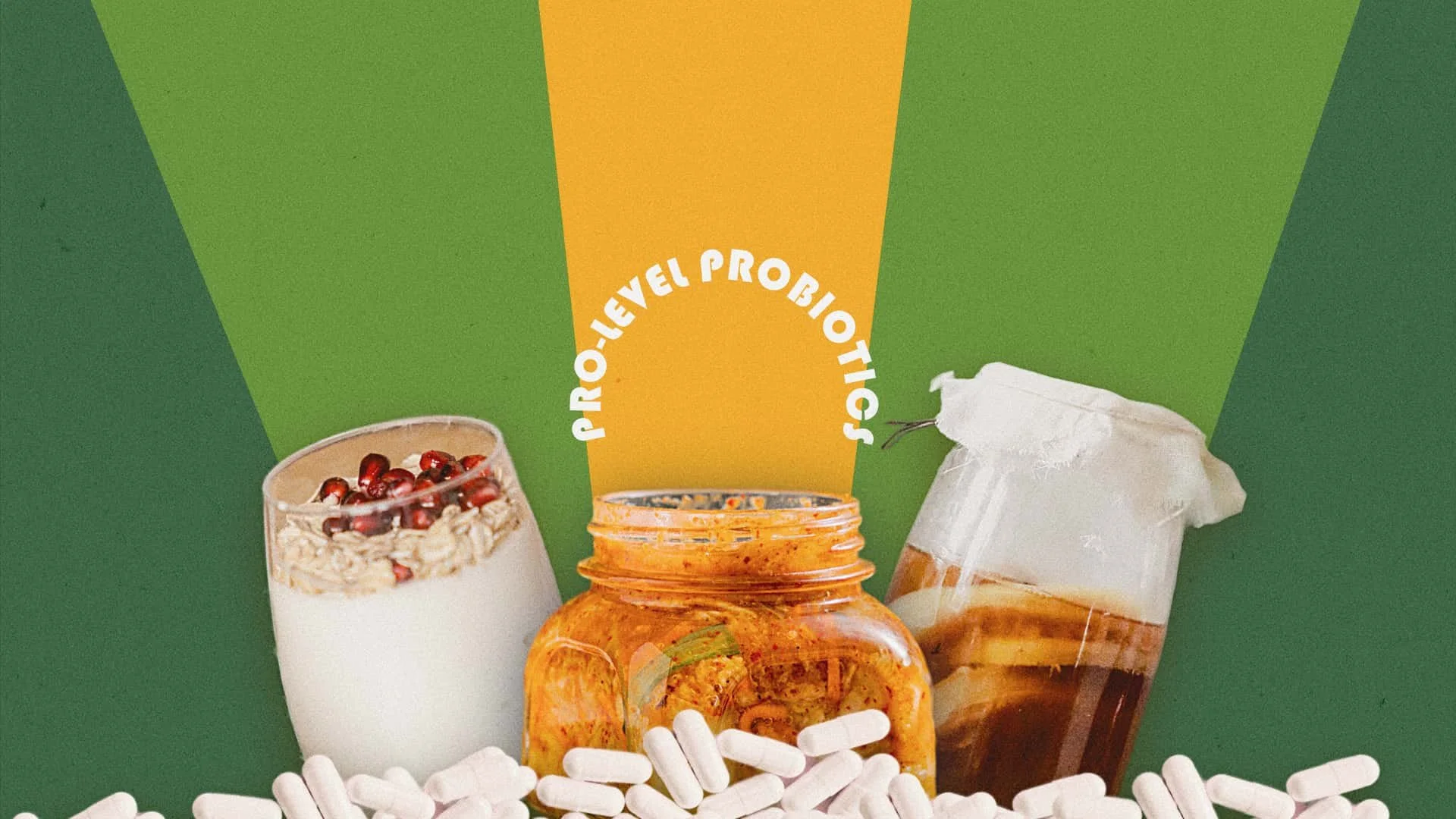
Probiotics. Multi-strain formulas with 10-20 billion CFUs. Look for Lactobacillus and Bifidobacterium species. Take for 8-12 weeks, then maintain with probiotic foods (kimchi, sauerkraut, kefir, yogurt).
L-Glutamine. The preferred fuel for intestinal cells. Protects and repairs gut lining. Dose: 5-15 grams daily for 8-12 weeks. Food sources for maintenance: bone broth, chicken, fish, eggs, spinach, cabbage.
Zinc Carnosine. This has 20+ years of research. It stabilizes gut mucosa, reduces intestinal permeability by 50%, and protects against NSAID damage. Dose: 75mg twice daily for at least 8 weeks.
What to do: Take for 2-3 months while addressing lifestyle factors (stress, sleep, nervous system regulation). As your gut heals and you address root causes, gradually reduce and stop. Then reassess.
You don't need all three. Start with probiotics and stress management. Add others only if you have documented gut issues. And please — these three are enough. You don't need 17 more supplements.
6. Reduce Actual Gut Irritants (Behaviors, Not Foods)
What actually harms gut lining:
Chronic NSAID use (ibuprofen, aspirin, naproxen)
Excessive alcohol (more than 1 drink daily)
Poor sleep (gut repair happens during sleep)
Chronic unmanaged stress
Unnecessary antibiotics
Notice what's NOT on this list? Gluten, dairy, soy, legumes, nightshades, or any whole food that hasn't been shown to harm gut health in people without specific sensitivities.
Putting it all together.
Foundation (daily, sustainable):
Eat 2-3 regular, balanced meals with adequate protein, fat, fiber, and variety
Include 25-35g fiber from diverse sources
Aim for 30+ different plant foods per week
Manage stress daily (breathwork, meditation, vagus nerve work)
Sleep 7-9 hours
Eat sitting down, relaxed, not while scrolling
Stay socially connected - eat with others regularly
Strategic support (8-12 weeks if needed):
Probiotic supplement
L-glutamine if needed
Zinc carnosine if you have gastritis or NSAID history
What you DON'T need:
Food sensitivity testing
Elimination of entire food groups (unless medically necessary)
Rigid eating rules and constant food vigilance
Social isolation due to dietary restrictions
Expensive supplement protocols with 20+ products
Constant anxiety about eating "right"
A whole-person approach to gut health and fertility.
In my practice, I assess each person's unique digestive pattern. Some need warming herbs and cooked foods if they have cold, tired, sluggish digestion. Some need cooling herbs and more raw foods if they have heat signs and inflammation. Some need qi-moving herbs when there’s stagnation from stress. And some need tonifying or blood-building herbs.
I assess pulse and tongue, temperature preferences, food cravings, energy patterns, digestion, emotional landscape, relationships, sleep, and menstrual cycle. Then I treat your specific pattern with acupuncture, education, and herbs tailored to you.
This is what holistic medicine actually means — seeing how everything connects. Your stress affects your digestion affects your hormones which affects your fertility. This is why TCM is actually the most modern medicine we have. It has always understood what research is only now confirming: everything is interconnected!
My Own Experience
As I mentioned, I have genetic predisposition to gut issues I can't change. But I live now with a mostly delightful digestive system. Not perfect mind you. I still have flares during high stress or when I really fall off the wagon and pound too many mini-candy bars at Halloween. But it’s functional, resilient, able to eat a varied diet, and enjoy food without fear.
What helped wasn't elimination.
What did help was addressing stress and trauma with somatic therapies, improving sleep, eating regularly and adequately, strategic gut support for healing and flares, acupuncture and herbs, and letting go of the need to control everything through food elimination.
The less I restricted, the better I felt. The more I trusted my body and gave it what it needed like rest, nourishment, stress relief, and variety, the more resilient my gut became.
I joyfully eat gluten, dairy, soy, legumes, nightshades, coffee, and margaritas at happy hour with friends — all the things fertility books tell you to eliminate. I got my period back after 2 years of not ovulating in my 20s and had two kiddos without issue despite having PCOS and Endo and ALL the gut/immune issues. Not because my genetics changed, but because I addressed root causes instead of eliminating foods out of fear.
Breaking free from orthorexia in the fertility journey.
If you recognize yourself in the patterns I’ve been talking about, please know you are not broken. You're responding rationally to an overwhelming situation with the information you've been given. When every book and influencer says food is the problem — that if you just eat ‘clean enough’ you'll finally get pregnant — of course you're going to try it.
But this approach is harming, not helping you.
What recovery looks like:
Acknowledge your relationship with food has become disordered (not a moral failing)
Work with someone who understands fertility, gut health, and disordered eating (like me)
Gradually expand food variety, reintroducing eliminated foods and noticing you don't fall apart
Address actual root causes — stress, sleep, nervous system dysregulation, social isolation, grief
Reconnect with pleasure around food by eating foods you love with people you love
Get support from community and mental health specialists — mental health help is SO good!
The Bottom Line: Food for fertility, not fear.
You know what really heals guts and supports fertility? Adequate, varied nutrition from whole foods. Consistent stress management and nervous system regulation. Regular, balanced meals eaten in a relaxed state. Strategic supplementation for finite periods if needed. Reduction of actual gut irritants like chronic NSAIDs. Social connection and pleasure around food.
Not food elimination based on fear. Not restriction creating anxiety, isolation, and nutritional deficiencies. Not rigidity preventing you from eating with friends or trusting your body.
Your gut doesn't need to be ‘detoxed’ or ‘cleansed.’ It doesn't need you to eat perfectly. It doesn't need 17 supplements (ever). And it doesn't need you to eliminate half the food pyramid. It needs you to feed it well, support it when needed, reduce your stress, and trust its incredible ability to heal when given the right conditions.
The most fertile thing you can do for your gut is stop restricting and start nourishing both your body and your nervous system.
Now go eat some fiber, do some deep breathing, have dinner with a friend, and trust your body.
Nicole
If you're struggling with orthorexia or disordered eating: National Eating Disorders Association: 1-800-931-2237; or you can find a therapist at edreferral.com
FAQs
-
Not necessarily. Many fertility diets promote restriction, elimination, and fear-based eating, which can increase stress hormones, disrupt ovulation, and impair gut health. Fertility is better supported by adequate nutrition, regular meals, dietary variety, and nervous system regulation — not rigid food rules.
-
Yes. Chronic restriction, even when foods are considered “healthy,” can suppress ovulation, lower progesterone, impair egg quality, and increase inflammation through stress pathways. The body needs sufficient energy and nutrient availability to prioritize reproduction.
-
Gut health plays an important role in hormone metabolism, immune regulation, and inflammation — all of which affect fertility. However, elimination diets often reduce microbiome diversity and increase stress, which can worsen gut function. The gut is best supported through dietary variety, fiber intake, regular meals, and stress management.

Nicole Lange
LICENSED ACUPUNCTURIST
HOLISTIC FERTILITY EDUCATOR



Let’s talk about IgG tests and better alternatives..